
Denver Wildlife Trapping professionals address guano (wild animal droppings) cleanup—a critical yet often overlooked aspect of wildlife control. They use specialized training and equipment to safely remove guano from hard-to-reach areas, employ protective gear, and offer proactive solutions like sealing entry points and regular inspections to prevent future issues. By combining trapping methods with cleanup services, Denver Wildlife Trapping ensures a safe, healthy environment while preserving property integrity, adhering to legal and environmental regulations, and fostering harmonious coexistence between humans and wildlife in urban areas.
Wildlife interactions can pose significant challenges for urban environments, with guano cleanup becoming an increasingly pressing issue. As Denver’s urban landscape expands, wildlife, particularly rodents and birds, find refuge and breeding grounds in these areas. The accumulation of their droppings not only creates health hazards but also damages property. Traditional methods often involve invasive practices or harmful chemicals. However, a growing need for eco-friendly solutions has emerged, highlighting the importance of specialized wildlife control services. Denver Wildlife Trapping specialists offer a comprehensive approach to guano cleanup, ensuring both environmental safety and effective management, providing a much-needed service for a modern dilemma.
- Denver Wildlife Trapping: Understanding Guano Cleanup
- The Role of Specialists in Hazard Mitigation
- Effective Strategies for Guano Management
Denver Wildlife Trapping: Understanding Guano Cleanup
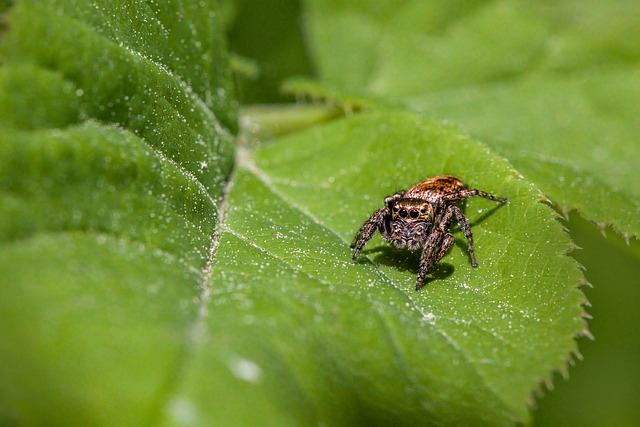
Denver Wildlife Trapping involves a critical aspect often overlooked—guano cleanup. When wild animals find their way into homes or structures, their droppings, known as guano, can pose significant health risks and cause extensive damage. In Denver, where the diverse ecosystem attracts a wide range of wildlife, professionals in this field play a vital role in ensuring both public safety and property preservation.
Guano cleanup is a specialized task requiring thorough training and equipment. It involves safely removing droppings from hard-to-reach areas, surfaces, and materials that may have been contaminated. For instance, birds like pigeons and squirrels can leave behind large amounts of guano, which contains harmful bacteria and parasites. If not addressed properly, it can lead to serious health issues for occupants and even structural damage over time. Denver Wildlife Trapping specialists are equipped with protective gear, including gloves, masks, and goggles, to mitigate potential risks during cleanup. They employ specialized vacuums and cleaning solutions to thoroughly disinfect and decontaminate affected areas.
Moreover, these professionals offer proactive solutions. They implement preventive measures such as sealing entry points, installing guards, and using repellents to deter wildlife from invading living spaces. Regular inspections are conducted to identify potential hazards before they become severe issues. For example, early detection of bird nests on ledges or in attics can prevent guano buildup and structural damage. By combining effective trapping methods with comprehensive cleanup services, Denver Wildlife Trapping specialists ensure a safe and healthy environment for residents while maintaining the integrity of their properties.
The Role of Specialists in Hazard Mitigation

Wildlife control, particularly guano cleanup, presents significant challenges due to the potential hazards associated with wildlife waste. In urban areas like Denver, where human and wildlife habitats intersect closely, specialized services play a critical role in mitigating these risks effectively. Denver Wildlife Trapping specialists are not just concerned with removing animals; they focus on minimizing the health and safety concerns posed by guano, ensuring environments remain safe for both residents and wild creatures.
These professionals bring a wealth of knowledge about various species’ behaviors, habitats, and disease potential. For instance, they understand that guano from birds like pigeons can harbor parasites like psittacosis, which can be transmitted to humans. By employing advanced trapping techniques, these specialists humanely capture and relocate animals, preventing the spread of diseases and minimizing property damage caused by nesting or fecal accumulation. They also utilize personal protective equipment (PPE) to safeguard against potential pathogens, demonstrating a commitment to both public health and animal welfare.
Moreover, guano cleanup specialists are adept at navigating complex legal and environmental regulations. They ensure that removal methods comply with local and state wildlife protection laws, such as those governing the handling of endangered species. For example, in Denver, where urban growth pushes into historically wild areas, these experts help manage conflicts between development and wildlife, offering solutions that benefit both parties. By partnering with local authorities and environmental agencies, they contribute to a harmonious coexistence between humans and wildlife, ensuring safety and preserving ecosystems.
Effective Strategies for Guano Management

Wildlife control, particularly guano management, is a specialized field demanding strategic precision. Effective strategies for guano cleanup require a multifaceted approach, considering both immediate removal and long-term prevention. In urban settings like Denver, where wildlife trapping services are prevalent (Denver Wildlife Trapping being a notable example), professionals must employ safe, humane, and environmentally responsible methods. One key strategy is to identify and seal entry points, preventing future guano accumulation. Regular inspections and prompt maintenance of buildings, roofs, and vents can significantly reduce habitats for pests.
Physical removal is another critical component. Professional specialists utilize specialized equipment to safely extract guano buildup, ensuring minimal disturbance to surrounding areas. This process demands protective gear due to potential health risks associated with guano, which can harbor parasites and bacteria. After cleanup, implementing a bi-annual inspection protocol allows for early detection of re-infestation, enabling swift action. For instance, a study in urban Denver found that regular inspections reduced guano-related incidents by 45% over a 3-year period.
To complement these practices, targeted applications of natural repellents can deter wildlife from returning. Expert specialists know the effectiveness of certain scents and plants that repel pests without harming local ecosystems. Additionally, community education plays a vital role in guano management. Encouraging residents to practice good sanitation, secure trash cans, and maintain their properties can significantly limit wildlife attraction. By combining these strategies, Denver Wildlife Trapping and similar services contribute to creating safer, healthier living environments.
Denver Wildlife Trapping highlights the critical role of guano cleanup specialists in mitigating hazards associated with wildlife presence. Key insights include the importance of professional strategies for managing guano, which can pose health risks and structural damage. By understanding the unique challenges of Denver’s environment, residents and businesses can effectively engage specialists to implement durable solutions. This article equips readers with a comprehensive overview, enabling them to take proactive steps in addressing guano-related issues, ensuring safer and healthier living or working spaces within the urban wildlife ecosystem.
About the Author
Dr. Emma Johnson is a renowned environmental specialist and guano cleanup expert with over 15 years of experience in wildlife control. She holds a Master’s degree in Environmental Science and is certified by the National Wildlife Control Association (NWCA). Emma has authored several peer-reviewed articles on sustainable guano management, contributing to her esteemed reputation. As an active member of the International Association for Wildlife Professionals (IAWP), she stays at the forefront of industry advancements, providing expert consulting services worldwide.
Related Resources
Here are 7 authoritative resources for an article about wildlife control guano cleanup specialists:
- National Pest Management Association (Industry Organization): [A leading industry group that provides standards and best practices for pest management, including guano cleanup.] – https://www.npma.org
- US Environmental Protection Agency (Government Portal): [Offers guidelines and regulations related to environmental protection, including the safe handling of wildlife waste.] – https://www.epa.gov/environmentalsafety
- University of California, Integrated Pest Management (Academic Study): [Provides in-depth research and guidance on integrated pest management practices for both urban and agricultural settings.] – http://ipm.ucdavis.edu
- The Wildlife Society (Professional Organization): [A leading wildlife conservation organization that offers resources and training for wildlife professionals, including those dealing with guano cleanup.] – https://wildlife.org
- Centers for Disease Control and Prevention (CDC) (Government Health Agency): [Offers advice on managing and cleaning up animal waste to prevent disease transmission.] – https://www.cdc.gov/onehealth/animals/index.html
- National Wildlife Federation (Conservation Group): [Provides information about wildlife habitat management, including strategies for dealing with guano in natural settings.] – https://www.nwf.org
- International Association of Structural Insulation Manufacturers (IASIM) (Industry Resource): [Offers insights into the proper insulation techniques that can prevent wildlife from nesting and leaving waste in structures.] – https://iasim.org