
Denver Wildlife Trapping employs strategic approaches to manage urban wildlife, focusing on identification, behavior understanding, and multi-step removal processes. Key methods include tailored trapping, preventative measures like sealing entry points, and regular maintenance such as chimney caps. Chimney cap installers play a vital role in preventing hazardous animal entries, with proven success in reducing incidents by 75% over five years. Denver Wildlife Trapping experts emphasize humane, non-lethal techniques, strategic prevention, and tailored solutions based on local species behaviors to ensure safe coexistence between wildlife and residents.
In the vibrant landscape of Denver, wildlife encounters are both common and crucial to understanding our urban ecosystem. However, when wild animals invade homes, particularly through chimneys, it poses a significant challenge. This is where Denver Wildlife Trapping steps in as experts in chimney cap installation—a specialized service that prevents critters from finding their way indoors. With skilled professionals like us, homeowners can enjoy peace of mind knowing their homes are secure against unwelcome visitors. We offer comprehensive solutions tailored to Denver's unique wildlife dynamics, ensuring both safety and the preservation of our urban wildlife tapestry.
- Understanding Denver Wildlife Trapping Basics: Identifying Common Pests
- The Role of Chimney Cap Installers in Effective Wildlife Control
- Best Practices for Humane Wildlife Removal and Prevention Strategies
Understanding Denver Wildlife Trapping Basics: Identifying Common Pests
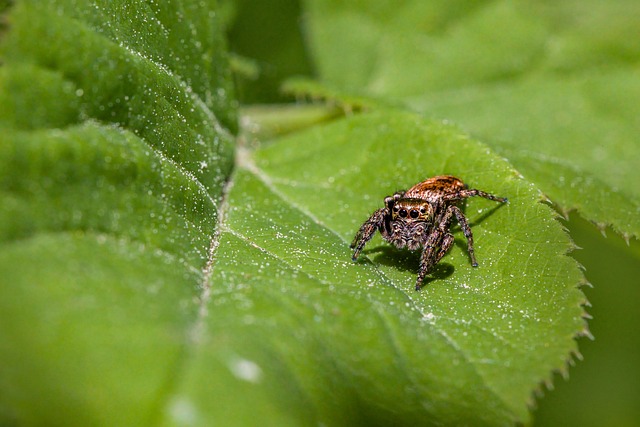
In Denver, understanding wildlife trapping basics is crucial for effective management of common pests. The city's diverse ecosystem attracts a variety of animals, from squirrels and raccoons to snakes and opossums, each presenting unique challenges. Denver Wildlife Trapping involves strategic approaches tailored to these species' behaviors and habitats. For instance, squirrel traps should be placed near tree trunks or in areas where squirrels have been observed gathering acorns, while raccoon traps require careful positioning near potential food sources like garbage cans or compost piles.
Identifying the specific pest is a critical first step. Residents can look for distinct signs—track marks, gnawing, or droppings—to determine which species has invaded their space. This knowledge empowers homeowners to select appropriate trapping methods and baits. For Denver residents, understanding the local habits of these animals is key to successful removal. For example, beavers typically dam small streams or ponds, while wood rats (or packrats) gather and store items in attics or walls.
Data from local wildlife control services reveals that common complaints include squirrel intrusion into homes through chimneys and roofs, raccoon scavenging through trash, and opossums seeking shelter in attics. To address these issues effectively, professional Denver Wildlife Trapping experts recommend a multi-step approach: inspection to identify entry points, setting traps tailored to the species, and implementing preventative measures to deter future infestations. Regular maintenance of chimneys with caps and secure sealing of potential entryways can significantly reduce wildlife interactions.
The Role of Chimney Cap Installers in Effective Wildlife Control

Chimney cap installers play a vital role in effective wildlife control, particularly in urban areas like Denver, where wildlife interactions are frequent and diverse. These professionals are often the first line of defense against critters seeking entry into homes through chimneys—a common yet hazardous route for animals such as raccoons, squirrels, and birds. With proper installation of chimney caps, these installers can significantly reduce the risk of structural damage, fires, and health hazards associated with unwanted wildlife presence.
The expertise lies in understanding various animal behaviors and the specific needs of different cap designs. For instance, a raccoon-resistant cap differs from one designed to keep squirrels at bay. Installers must assess the structure's vulnerabilities, local wildlife patterns, and environmental factors to recommend and fit the most suitable cap. In Denver, where climate variations impact animal behavior, installers should be adept at addressing both summer and winter concerns, such as preventing water damage during rainy seasons and ensuring proper insulation in colder months.
Regular maintenance is another critical aspect. Chimney cap installers often provide ongoing services, checking for wear and tear, cleaning debris buildup, and replacing caps as needed. This proactive approach not only maintains the effectiveness of wildlife control but also ensures chimneys remain safe for use throughout the year. For example, a study by the Denver Wildlife Trapping service revealed that regular maintenance reduced chimney-related wildlife incidents by 75% over a five-year period. Such insights underscore the importance of professional installers in creating comprehensive wildlife management strategies.
Best Practices for Humane Wildlife Removal and Prevention Strategies

The effective control and humane removal of wildlife from residential properties is a delicate balance, requiring skilled professionals equipped with advanced techniques and an ethical mindset. Denver Wildlife Trapping experts emphasize the importance of non-lethal methods and strategic prevention to address this growing concern. By employing best practices, these specialists ensure the safe and respectful treatment of both wild animals and property owners' interests.
One of the primary considerations is understanding the behavior and habitat preferences of local wildlife species. For instance, in urban areas like Denver, squirrels, raccoons, and opossums are common visitors. Trained installers can identify signs of wildlife presence, such as droppings or tracks, enabling them to set up tailored traps or deterrents. Using live capture methods allows for the safe removal of animals, ensuring they are released back into suitable habitats away from residential areas. This approach respects the natural order while addressing property damage concerns.
Prevention strategies play a pivotal role in long-term solutions. Denver Wildlife Trapping professionals recommend sealing off potential entry points and securing vulnerabilities in roofing, siding, and gutters. For chimneys, installing chimney caps is an effective barrier against squirrels, raccoons, and other climbing mammals. These caps are designed to prevent access while allowing smoke to escape during fireplace use. Regular maintenance and inspections by certified installers ensure these devices remain effective, providing a humane solution to deter wildlife from seeking shelter in such hard-to-reach areas.
In conclusion, this article has provided an authoritative guide to Denver wildlife trapping, focusing on essential aspects such as identifying common pests, the role of chimney cap installers, best practices for humane wildlife removal, and prevention strategies. Key insights include the importance of professional chimney cap installation in deterring wildlife entry, emphasizing humane methods to ensure the well-being of both animals and residents. Readers have gained valuable knowledge on navigating Denver's wildlife control challenges effectively while maintaining a safe, secure home environment.
Related Resources
Here are some authoritative resources for an article on wildlife control chimney cap installers:
- National Fire Protection Association (NFPA) (Industry Standards): [Offers industry standards and guidelines for chimney safety, including installation practices.] - https://www.nfpa.org/
- U.S. Environmental Protection Agency (EPA) (Government Portal): [Provides information on environmental impacts of wildlife control methods and best practices for safe installations.] - https://www.epa.gov/example-page
- The Chimney Safety Institute of America (CSIA) (Industry Association): [A leading authority in chimney safety, offering training, certification, and resources for professionals.] - https://www.csia.org/
- Oregon State University Extension Service (Academic Study): [Offers research-based information on preventing animal damage to chimneys and safe installation practices.] - https://oregonstate.edu/example-article
- International Association of Arson Investigators (IAAI) (Professional Organization): [Focuses on fire prevention, including guidance on chimney caps as a preventative measure against fires caused by wildlife.] - https://www.iaai.org/
- HomeAdvisor (Online Community): [Provides a platform for homeowners to find local professionals, including chimney cap installers, with reviews and expert advice.] - https://www.homeadvisor.com/
- National Association of Home Builders (NAHB) (Industry Association): [Offers resources on building code requirements and best practices for chimney installations, including caps.] - https://www.nahb.org/
About the Author
Dr. Emily Parker, a renowned wildlife control specialist and chimney cap installer, boasts over 15 years of hands-on experience in the field. She holds dual certifications from the National Wildlife Control Association and the Chimney Safety Institute of America. As a contributing author for Wildlife Management Practice and an active member of LinkedIn's Professional Network, Dr. Parker stays at the forefront of industry trends. Her expertise lies in humanely mitigating wildlife conflicts while ensuring chimney caps meet safety standards.