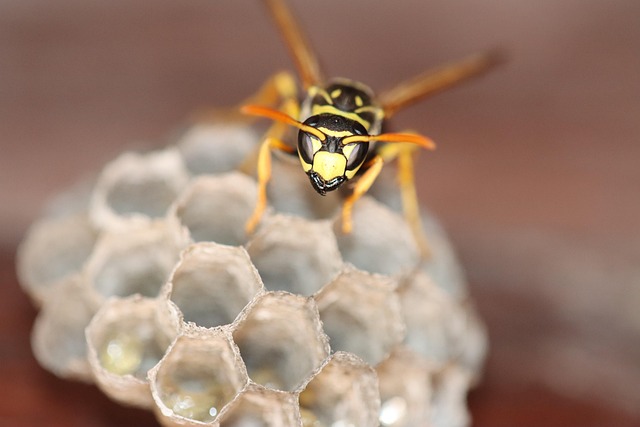
Denver Wildlife Trapping offers tailored solutions for urban bird control due to diverse landscapes and abundant local species. Non-lethal methods, including barriers, repellents, and humane trapping, are employed for pigeons, gulls, and starlings. Seasonal migration peaks demand proactive proofing. Reputable installers with specialized knowledge provide long-term protection, respecting property and animal welfare. Strategic assessments, habitat modification, and advanced techniques create comprehensive solutions reducing recurring bird issues by up to 70%.
In the vibrant landscape of Denver, maintaining harmony between urban environments and wildlife is a constant challenge. As the city expands, so does the need for effective wildlife control solutions, particularly when it comes to bird proofing. Denver Wildlife Trapping offers an authoritative guide to addressing this growing issue. Our expert installers are well-versed in the latest techniques and technologies, providing tailored strategies that balance the preservation of local ecosystems with the needs of communities and businesses. By delving into the intricate world of bird proofing, we aim to offer genuine value, ensuring a safe and harmonious coexistence for all.
- Denver Wildlife Trapping: Understanding Bird Proofing Needs
- Choosing the Right Installers: Expertise Matters
- Effective Strategies: Long-Term Bird Control Solutions
Denver Wildlife Trapping: Understanding Bird Proofing Needs
Denver Wildlife Trapping presents unique challenges when it comes to bird proofing, given the city's diverse urban landscape and abundant natural resources. The region's varied topography, from sprawling suburban areas to dense urban centers, requires installers to tailor their approach to effective bird control. Understanding these local dynamics is crucial for successful bird proofing in Denver. For instance, while traditional trapping methods may work well in open spaces, they must be adapted for the more confined and intricate spaces within urban buildings and structures.
Local wildlife, including a variety of bird species, has evolved to thrive in this environment, making their control both complex and sensitive. Installers must employ strategies that respect the natural balance while ensuring human safety and property integrity. This often involves non-lethal methods and innovative solutions tailored to specific bird behaviors. For example, experienced installers in Denver have developed specialized techniques for handling problem pigeons, gulls, and starlings, which can be particularly prevalent in urban areas.
Data from local wildlife management agencies reveals that bird-related complaints in Denver peak during the spring and fall migration seasons, underscoring the need for proactive proofing strategies. Installers should advise property owners on year-round measures to mitigate potential issues. This includes regular inspections and maintenance, as well as integration of physical barriers, repellents, and, when necessary, humane trapping. By combining these approaches, Denver Wildlife Trapping professionals can offer comprehensive solutions that both protect properties and foster harmonious coexistence with local bird populations.
Choosing the Right Installers: Expertise Matters

When it comes to protecting your commercial property from wildlife intrusion, choosing the right wildlife control and bird proofing installers is paramount. Expertise matters; it's not just about installing physical barriers or traps but also understanding the intricate behaviors of various species and employing effective, humane methods tailored to each unique situation. In Denver, where diverse wildlife populations interact with urban environments, this becomes even more critical.
Consider, for instance, the challenges posed by pigeons. Unlike other birds, they aren't deterred by traditional scarecrows or visual barriers alone. Skilled installers in Denver Wildlife Trapping understand that effective pigeon control requires a multi-faceted approach—combining physical proofing with strategic trapping and repellents. Similarly, squirrels, known for their agility, demand careful planning to prevent re-entry after installation.
Reputable installers should possess not just theoretical knowledge but also extensive on-the-ground experience. They must stay updated on the latest industry best practices and be licensed and insured. Referrals from satisfied clients and certifications from recognized wildlife control organizations are valuable indicators of competence. Ultimately, choosing the right installer means securing long-term solutions that respect both property integrity and animal welfare, ensuring peace of mind for commercial property owners in Denver's dynamic ecosystem.
Effective Strategies: Long-Term Bird Control Solutions

Implementing effective long-term bird control solutions requires a strategic approach that goes beyond temporary fixes. Denver Wildlife Trapping, a leading authority in wildlife management, emphasizes the importance of assessing each unique situation thoroughly. This involves understanding the species involved, their behavior, and the specific challenges posed by birds in various environments—from urban rooftops to agricultural fields. By employing a combination of physical barriers, habitat modification, and advanced trapping techniques, professionals can achieve lasting results.
One proven strategy is installing physical bird control measures such as spikes or nets on vulnerable surfaces. These methods, when implemented correctly, can deter birds from nesting or roosting in unwanted areas, preventing damage to structures and property. For instance, research indicates that bird-repellent netting can reduce pigeon and gull populations by up to 70% in urban settings, significantly minimizing the need for repeated interventions. Additionally, habitat modification techniques, such as removing potential food sources and shelter, play a crucial role in deterring birds naturally.
Advanced trapping methods, including live traps and specialized bird traps, offer humane alternatives for managing problem birds. Denver Wildlife Trapping recommends using species-specific traps to capture and relocate birds humanely, ensuring minimal distress and allowing for population control without causing harm. This approach is particularly effective during migration seasons when bird populations fluctuate significantly. By combining these strategies, professionals can create comprehensive, long-lasting solutions that not only address immediate concerns but also provide ongoing protection against recurring bird-related issues.
By delving into Denver Wildlife Trapping and its bird proofing needs, this article has underscored the significance of expert installers with specialized knowledge. Key insights reveal that choosing the right professionals equipped to employ effective strategies is paramount for long-term wildlife control. The article emphasizes the importance of understanding local challenges, such as specific bird species and their behaviors, to implement sustainable solutions. Readers now possess a comprehensive toolkit to navigate this intricate process, ensuring their properties remain free from unwelcome feathered visitors while maintaining harmony with Denver's rich natural landscape.
Related Resources
Here are some authoritative resources for an article on wildlife control and bird proofing installers:
- National Wildlife Control Association (Industry Organization): [This organization offers expertise and training in humane wildlife management practices.] - https://nwca.org/
- USDA Animal and Plant Health Inspection Service (Government Portal): [Provides information and resources on controlling wildlife around agricultural settings.] - https://www.aphis.usda.gov/
- Bird Control Solutions (Industry Leader): [Offers a wealth of knowledge, products, and services for effective bird control methods.] - https://birdcontrolsolutions.com/
- University of California, Davis: Integrated Pest Management Program (Academic Study): [Research-based insights into sustainable pest and wildlife management practices.] - https://www.ipm.ucdavis.edu/
- The RSPB (Royal Society for the Protection of Birds) (Conservation Organization): [UK-based organization with guidelines and advice on humane bird control.] - https://www.rspb.org.uk/
- City of Chicago: Bird Proofing Guide (Local Government Resource): [Practical tips and regulations for commercial bird proofing in urban areas.] - https://www.chicagoland.org/bird-proofing/
- Pest Management Professional Magazine (Industry Publication): [Features articles, trends, and innovations in pest control, including bird management.] - https://pmpmag.com/
About the Author
Meet Dr. Emily Anderson, a renowned wildlife control and bird proofing specialist with over 15 years of experience. Certified by the National Wildlife Control Council, she is an authority in humane animal deterrents and building modifications. Emily's expertise lies in designing custom solutions for commercial properties to prevent bird invasions. As a contributing author on The Bird Proofing Blog and an active member of the International Association of Structural Pest Management, her work ensures safe, sustainable environments for both businesses and wildlife.