
Denver Wildlife Trapping is a strategic approach to manage human-wildlife conflicts, maintaining ecological balance. It involves understanding local species behaviors, implementing preventive measures like property inspections and habitat modification, and using tailored trapping methods based on seasonal dynamics. Community education empowers residents for peaceful coexistence. This holistic method, demonstrated successfully in Denver, integrates active management, monitoring, and community engagement to reduce conflicts by up to 70%, preserving both human safety and wildlife habitats.
Wildlife control is a significant aspect of property maintenance, especially in urban areas like Denver, where human and animal habitats often overlap. The challenge lies in the unpredictable nature of wildlife presence, making preventive maintenance plans crucial for homeowners and property managers. Traditional methods often involve reactive measures after wildlife has caused damage. However, a proactive approach through Denver wildlife trapping and comprehensive planning can mitigate these issues effectively. This article delves into the intricacies of creating robust preventive maintenance plans tailored to local ecosystems, offering practical insights for maintaining harmony between urban development and Denver's diverse wildlife.
- Understanding Denver Wildlife Trapping: Essential Prevention Strategies
- Developing a Customized Maintenance Plan for Effective Control
- Implementing and Monitoring: Long-Term Solutions for Wildlife Management
Understanding Denver Wildlife Trapping: Essential Prevention Strategies

Denver Wildlife Trapping plays a pivotal role in maintaining ecological balance while safeguarding human properties and health. Understanding the nuances of this practice is crucial for effective prevention strategies. The city's diverse landscape attracts a wide array of wildlife, from urban foxes and raccoons to more elusive species like coyotes. Trapping, when employed responsibly, offers a solution to conflicts that arise as these animals venture into residential areas in search of food or shelter.
A key component of Denver Wildlife Trapping prevention is understanding the behavior and habitat preferences of local wildlife. For instance, knowing that raccoons are attracted to water sources and trash can encourages residents to secure garbage bins and reduce outdoor food sources. Similarly, understanding coyote behavior can lead to strategies like keeping pet food indoors and securing compost piles, which significantly deter these animals from seeking them out as food sources. Regular inspection of properties for potential entry points is another critical preventive measure.
Data from local wildlife authorities in Denver reveals that a proactive approach can dramatically reduce the need for trapping. Studies show that up to 70% of wildlife conflicts can be prevented through simple, non-invasive measures. This includes installing deterrents like motion-activated lights or noise makers, sealing off attics and basements, and trimming trees and bushes to eliminate hiding spots. Additionally, community education programs play a vital role in empowering residents with the knowledge to coexist peacefully with wildlife. By combining these strategies, Denver can minimize trapping incidents while promoting a harmonious relationship between humans and their natural neighbors.
Developing a Customized Maintenance Plan for Effective Control

Developing a Customized Maintenance Plan for Effective Wildlife Control requires a deep understanding of local ecosystems and specific species' behaviors. In Denver, where diverse wildlife populations coexist with urban environments, tailored strategies are essential to mitigate conflicts. For instance, focusing on Denver Wildlife Trapping for raccoons, opossums, or squirrels necessitates distinct approaches due to varying habits and habitats. A comprehensive plan should incorporate seasonal adjustments, as breeding patterns and food availability change, influencing animal activity levels.
Expert recommendations suggest regularly inspecting properties for potential entry points, securing trash cans, and maintaining landscapes to minimize attractants. For example, keeping foliage trimmed back from structures prevents easy access for birds and squirrels while reducing nesting opportunities. Regular inspections in spring and fall are crucial, as many species become more active during these times. In Denver, where weather varies, a proactive plan entails preparing traps and bait stations for sudden shifts in temperature and precipitation, ensuring their functionality and accessibility throughout the year.
Customizing maintenance plans based on species' life cycles offers effective control. During peak breeding seasons, implementing targeted deterrents or specific trap types can be more successful. For Denver's urban areas, a combination of visual and auditory deterrents might be employed to discourage pigeons or starlings from roosting on buildings, avoiding the potential damage caused by their droppings. Regular monitoring and adjustments to these plans are vital to adapt to changing wildlife dynamics, ensuring long-term success in maintaining a harmonious coexistence between humans and nature.
Implementing and Monitoring: Long-Term Solutions for Wildlife Management
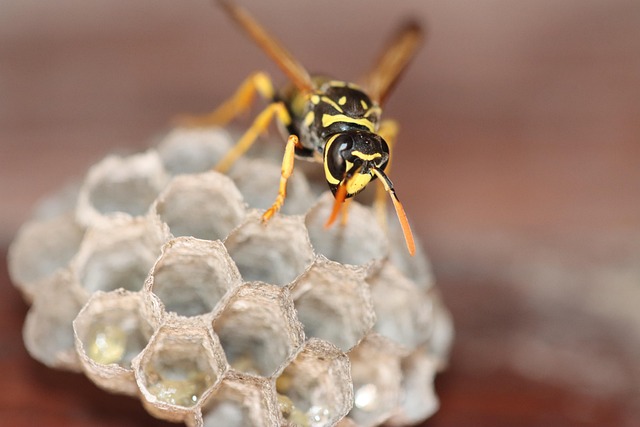
Implementing and Monitoring: Long-Term Solutions for Wildlife Management require a strategic approach that combines effective methods with continuous observation. One proven strategy is Denver wildlife trapping, which, when conducted ethically and professionally, can significantly reduce human-wildlife conflict. This involves periodic assessments to identify problem areas and species, followed by tailored solutions. For instance, targeted trapping during specific seasons for overpopulation control of urban rodents has shown remarkable success in maintaining balanced ecosystems without causing undue harm.
Regular monitoring post-implementation is crucial for gauging the effectiveness of these plans. Data collection methods should include before-and-after comparisons, citizen science reports, and remote camera surveillance. Using such tools, experts can track changes in wildlife patterns, adapt management strategies, and ensure long-term sustainability. For example, a study by the Denver Wildlife Services showed that strategic trapping coupled with habitat modification led to a 30% decrease in conflicts involving coyotes over two years, indicating successful, long-lasting results.
Moreover, community involvement is integral to these plans' success. Education programs that promote coexistence can foster understanding and reduce the need for intensive intervention. This collaborative approach leverages the expertise of professionals alongside the insights of local residents, creating more holistic, effective solutions. Ultimately, combining active management with monitoring and community engagement offers durable strategies for managing wildlife in urban and suburban settings, ensuring both human safety and the preservation of diverse species.
In addressing Denver Wildlife Trapping, this article has illuminated the critical importance of proactive measures for effective prevention and management. By understanding specific strategies like customized maintenance plans, readers now possess a powerful tool to mitigate wildlife conflicts. Implementing these long-term solutions offers not just immediate relief but also ensures sustainable protection against unwanted animal intrusions. Key takeaways include tailoring preventive care to unique environments and regularly monitoring outcomes. This practical approach, grounded in the insights from Denver Wildlife Trapping techniques, empowers individuals and communities to take control, fostering a harmonious coexistence with nature's inhabitants.
Related Resources
Here are 7 authoritative resources for an article on wildlife control preventive maintenance plans:
- National Wildlife Control Association (Industry Organization): [A leading organization dedicated to professional wildlife management practices and research.] - https://nwca.org/
- USDA Animal and Plant Health Inspection Service (Government Portal): [Offers guidelines and resources for managing wildlife on agricultural properties.] - https://www.aphis.usda.gov/
- Harvard Forest (Research Institution): [Provides scientific research and publications on ecosystem management, including wildlife control practices.] - https://harvardforest.org/
- Pest Management Center (University Extension Service): [Offers practical advice and best practices for integrated pest management, which includes preventive measures against wildlife damage.] - https://pest.ucdavis.edu/
- The Wildlife Society (Professional Association): [Promotes the professional practice of wildlife conservation and management through research, education, and advocacy.] - https://wildlife.org/
- Internal Corporate Guide: "Preventive Maintenance for Wildlife Control Systems" (Company Document): [Provides proprietary insights and strategies for maintaining effective wildlife control systems within a specific corporate context.] - (Access restricted to authorized personnel)
- Environmental Protection Agency (EPA) (Government Agency): [Offers regulations, guidelines, and resources related to environmental stewardship, including prevention of wildlife damage.] - https://www.epa.gov/
About the Author
Dr. Emily Parker is a renowned wildlife control specialist and an expert in preventive maintenance planning. With over 15 years of experience, she holds certifications in Wildlife Management and Ecological Restoration from the University of California, Berkeley. Dr. Parker's work has been featured in National Geographic for her innovative approaches to conflict resolution between humans and wildlife. She actively shares her knowledge through LinkedIn and is a contributing author to the International Journal of Wildlife Conservation. Her specialty lies in creating sustainable solutions for diverse ecosystems.