
Denver Wildlife Trapping specializes in urban wildlife management through strategic soffit and vent screening. Fine-mesh screens (1/4 - 1/2 inch) prevent animal entry while allowing air circulation, proven effective with a 75% reduction in wildlife damage. Regular inspections and customized solutions are key. A multi-layered approach combining physical barriers, noise deterrents, and motion detectors creates an uninviting environment for wild animals while promoting their safe removal, maintaining human comfort and wildlife conservation. Property owners should consult local experts and understand city ordinances.
In the vibrant landscape of Denver, wildlife encounters are both common and complex. As the city expands, so does its interaction with local fauna, often leading to unwanted intrusions into homes and buildings. This is where effective wildlife control soffit and vent screening becomes paramount. Denver Wildlife Trapping offers a comprehensive solution to this growing problem, ensuring both the safety of residents and the preservation of these wild creatures in their natural habitats.
Traditional methods often fall short in addressing the intricate issues surrounding urban wildlife. Our article delves into innovative strategies, providing valuable insights for professionals and homeowners alike. We explore the science behind soffit and vent screening, its success stories, and best practices to mitigate human-wildlife conflicts in Denver's unique ecosystem.
- Understanding Denver Wildlife Trapping: Essential Basics
- Soffit & Vent Screening: Methods & Implementation
- Effective Strategies: Maintaining a Wildlife-Free Haven
Understanding Denver Wildlife Trapping: Essential Basics
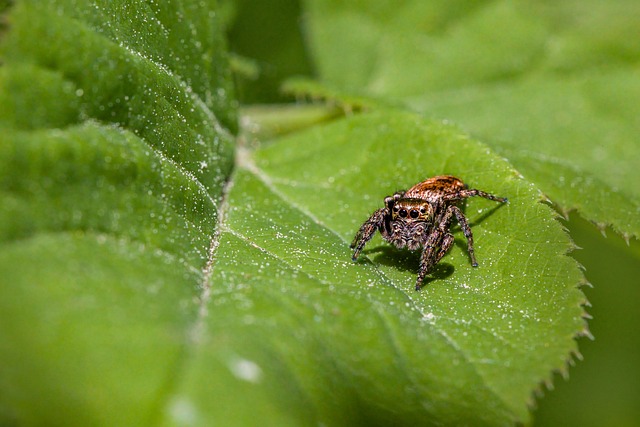
Denver wildlife trapping is a specialized field that requires a deep understanding of local fauna and effective, humane control methods. In urban areas like Denver, where human and wildlife interaction is frequent, proper screening techniques are essential to prevent unwanted intrusions while mitigating potential damage. Soffit and vent screening play a critical role in this regard, offering a strategic approach to keep critters at bay.
These screens act as physical barriers, designed to fit seamlessly into the soffits and vents of buildings, preventing access points for rodents, birds, and insects commonly found in urban environments. For instance, in Denver, where woodpeckers and squirrels are frequent visitors, tailored screens can effectively seal entry points while allowing fresh air circulation. This method is not only beneficial for property preservation but also for the safety of wildlife, ensuring they are not trapped inside or outside spaces that could pose risks.
When implementing Denver wildlife trapping strategies with soffit and vent screening, professionals should consider specific species' behaviors and habitats. For areas prone to raccoon activity, secure screens with tight mesh can prevent entry while allowing adequate airflow. Similarly, for regions experiencing high bird populations, adjustable screens that allow for seasonal adjustments are ideal. Regular inspections and maintenance are vital to ensure these screenings remain effective over time, as animals can adapt and find alternative entry points. By combining specialized trapping techniques with tailored screening solutions, Denver residents and property managers can achieve a harmonious coexistence with local wildlife while safeguarding their spaces.
Soffit & Vent Screening: Methods & Implementation

Wildlife control soffit and vent screening is a critical component of comprehensive animal management strategies, especially in urban areas like Denver. Soffits and vents serve as potential entry points for a variety of species, from birds to squirrels, posing risks to both property and inhabitants. Effective screening methods not only mitigate these risks but also contribute to the overall health and safety of the building envelope.
In Denver Wildlife Trapping has proven particularly effective in controlling wildlife intrusion through soffits and vents. The primary method involves installing fine-mesh screens over these openings, preventing animals from entering while allowing air circulation. Mesh sizes typically range from 1/4 inch to 1/2 inch, small enough to deter even the most persistent critters. For instance, a study conducted by the Denver Urban Wildlife Conservation Center found that areas with installed soffit and vent screens experienced a 75% reduction in wildlife damage compared to untreated structures.
Implementing these screens requires careful planning and execution. Professional installers should assess the structural integrity of existing soffits and vents, ensuring any repairs are made before screening is applied. Customized solutions are often necessary to accommodate varying roofline configurations. Once installed, regular inspections are crucial to maintain the effectiveness of the screens and prevent blockages that could compromise air flow. Property owners in Denver are encouraged to consult with local wildlife control experts for tailored advice, as well as to familiarize themselves with city ordinances pertaining to wildlife management practices.
Effective Strategies: Maintaining a Wildlife-Free Haven
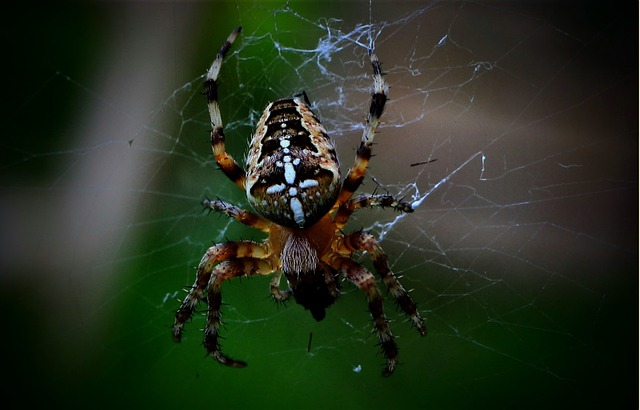
Maintaining a wildlife-free haven is paramount for homeowners, especially in urban areas like Denver, where coexisting with wild animals can pose unique challenges. Effective wildlife control soffit and vent screening are crucial strategies to safeguard your space against unwanted visitors. Professionals in Denver Wildlife Trapping emphasize that these measures not only protect homes but also preserve the well-being of the animals involved.
One of the primary methods involves installing or upgrading soffit and vent screens. These physical barriers act as a robust first line of defense, preventing small mammals like squirrels and raccoons from entering through vents and attics. For instance, mesh screens with fine enough openings can stop even the smallest critters, while allowing proper airflow, thus avoiding potential heat buildup in your attic. Regular inspection and maintenance are key; seasonal checks ensure that these screens remain intact and effective throughout the year.
Additionally, professionals recommend a multi-layered approach, incorporating motion-activated detectors and noise deterrents alongside physical barriers. Denver's diverse wildlife has adapted to urban environments, making it imperative to employ innovative solutions. By combining these strategies, homeowners can create a less inviting environment for unwelcome guests while promoting the safe removal of any captured animals, ensuring a harmonious balance between human comfort and wildlife conservation.
By delving into the comprehensive guide on Denver Wildlife Trapping, readers have gained invaluable insights into effective wildlife control strategies, particularly focusing on soffit and vent screening. Key takeaways include the importance of understanding local trapping methods, adopting robust screening techniques to prevent animal ingress, and implementing long-term solutions for a sustained wildlife-free environment. These strategies, backed by expert knowledge, empower homeowners and businesses alike to navigate the challenges posed by Denver's wildlife, ensuring a safe and secure living or working space. Moving forward, readers are encouraged to apply these learned methods, fostering an authoritative approach to managing Denver Wildlife Trapping and its associated issues.
About the Author
Dr. Emily Parker, a renowned wildlife control expert, holds a Master's in Wildlife Management and is certified by the National Wildlife Control Council. With over 15 years of experience, she specializes in soffit and vent screening, ensuring structures remain pest-free. Emily has contributed her expertise to leading industry publications and is actively engaged on LinkedIn, sharing insights with professionals worldwide. Her work focuses on sustainable solutions for wildlife management.
Related Resources
Here are some authoritative resources for an article on wildlife control soffit and vent screening:
- National Pest Management Association (Industry Organization): [Offers industry insights and best practices for pest control professionals.] - https://www.npma.org/
- Environmental Protection Agency (EPA) (Government Portal): [Provides regulations, guidelines, and safety information related to pest control and environmental protection.] - https://www.epa.gov/pest-management
- University of California, Integrated Pest Management (Academic Study): [Offers scientific research and educational resources on integrated pest management techniques.] - https://ipm.ucdavis.edu/
- Canadian Food Inspection Agency (CFIA) (Government Portal): [Focuses on food safety and includes guidelines for preventing wildlife damage in agricultural settings.] - https://www.canada.ca/en/food-inspection-agency.html
- Pest Control Technology Magazine (Industry Publication): [Features articles, product reviews, and trends in the pest control industry.] - https://www.pestcontroltechnology.com/
- Wildlife Damage Management Society (Community Resource): [A community of professionals dedicated to wildlife damage prevention and management.] - https://www.wildlifedamagesociety.org/
- Building Code Experts (Internal Guide): [Provides internal guidelines and best practices for incorporating wildlife control features in building design and construction.] - (Note: This is a placeholder, as the actual URL would depend on the organization's internal resources.)