
Denver wildlife trapping success hinges on understanding rodent behavior and implementing comprehensive sealing strategies. Live traps and strategic baiting capture pests humanely. Regular monitoring and maintenance ensure optimal results. Thorough property inspections identify entry points, which are sealed with materials like steel wool and caulk to deter future invasions. These measures provide long-lasting protection from Denver wildlife trapping services.
"In the vibrant city of Denver, understanding rodent behavior and effective wildlife trapping techniques are essential components of maintaining a healthy living environment. This article guides residents through navigating the challenges of rodent entry, offering insights into their habits and specific strategies for sealing potential points of access. From recognizing behavioral patterns to implementing proven sealing methods, these measures ensure a robust approach to Denver wildlife trapping and prevent future invasions."
- Understanding Rodent Behavior and Entry Points in Denver
- Effective Wildlife Trapping Techniques for Residential Areas
- Sealing Strategies to Prevent Future Invasions
Understanding Rodent Behavior and Entry Points in Denver
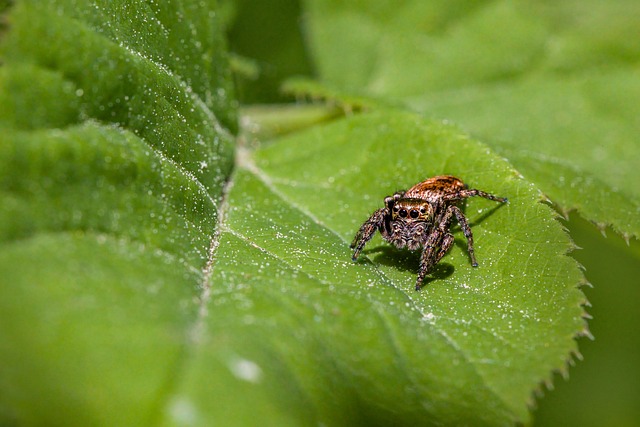
In Denver, understanding rodent behavior is key to effective wildlife trapping and control. Rodents like squirrels, raccoons, and mice are attracted to food sources, shelter, and water. They are adept at finding entry points into homes and buildings, often through small gaps, cracks, or holes in walls, roofs, and foundations. In the urban landscape of Denver, these creatures navigate the bustling environment with remarkable adaptability.
To prevent rodent entry, it's essential to seal off potential access points. This includes securing vents, filling cracks in foundations and walls, and installing weather stripping around doors and windows. Professional Denver wildlife trapping services often begin by conducting thorough inspections to identify these entry points, ensuring a comprehensive approach to sealing them up and keeping rodents at bay.
Effective Wildlife Trapping Techniques for Residential Areas

In residential areas, effective wildlife trapping requires a balance between humane practices and robust results. For Denver wildlife trapping, professionals often recommend a combination of strategies. One proven technique involves the use of live traps, which capture rodents humanely without causing them harm. These traps are strategically placed in areas known to be frequented by pests, such as along fences, under decks, or inside attics. Once trapped, animals can be relocated far from the property, disrupting their habitat and preventing reentry.
Additionally, baiting traps with attractive yet non-toxic substances specific to rodents' palates can significantly enhance their effectiveness. Seeds, nuts, or peanut butter are common choices that entice pests without appealing to pets or local wildlife. Regular monitoring and maintenance of these traps are crucial for optimal success in Denver wildlife trapping efforts, ensuring both the humane treatment of captured animals and the permanent sealing of entry points for future prevention.
Sealing Strategies to Prevent Future Invasions

To prevent future rodent invasions, effective sealing strategies are essential after an initial Denver wildlife trapping operation. This involves a thorough inspection of your property to identify and close any potential entry points. Common areas include gaps around pipes, wires, doors, and windows, as well as cracks in foundations or walls. Using materials like steel wool, caulk, or foam insulation, seal these openings to stop rodents from reentering.
Regular maintenance is key; check seals periodically throughout the year, especially during seasons when rodents are most active. By implementing these sealing measures, you create a physical barrier, deterring rodents from returning and ensuring your space remains secure. Effective sealing strategies, combined with professional Denver wildlife trapping services, offer long-lasting protection against unwelcome visitors.
By understanding rodent behavior, employing effective wildlife trapping techniques, and implementing robust sealing strategies, Denver residents can successfully mitigate and prevent rodent entry. Integrating these practices into your home's defense plan not only protects against current infestations but also fortifies against future invasions, ensuring a safer, more secure living environment in Denver. For professional assistance with Denver wildlife trapping, connect with local experts specializing in humane and effective rodent control solutions.